A Year In (nature) Numbers
Here at Encounter HQ we’ve been digging into the data to explore which animals you’ve been spotting in 2025. As you know, your journal entries and photos are entirely private, but if you choose to tag the species you see, and you share your location, that anonymised data comes in to us – and it helps us to build a picture of how nature is faring across Britain and Ireland, as well as making the app smarter over time.
We launched Encounter officially back in April 2025, but a few of you came on board earlier, while we were testing the app – so it has actually been live for just over a year. In that time, we’ve welcomed over 7,200 users, with the numbers continuing to grow naturally every day. In 2025, Encounter users recorded an amazing 1,200 species. Here are some highlights:
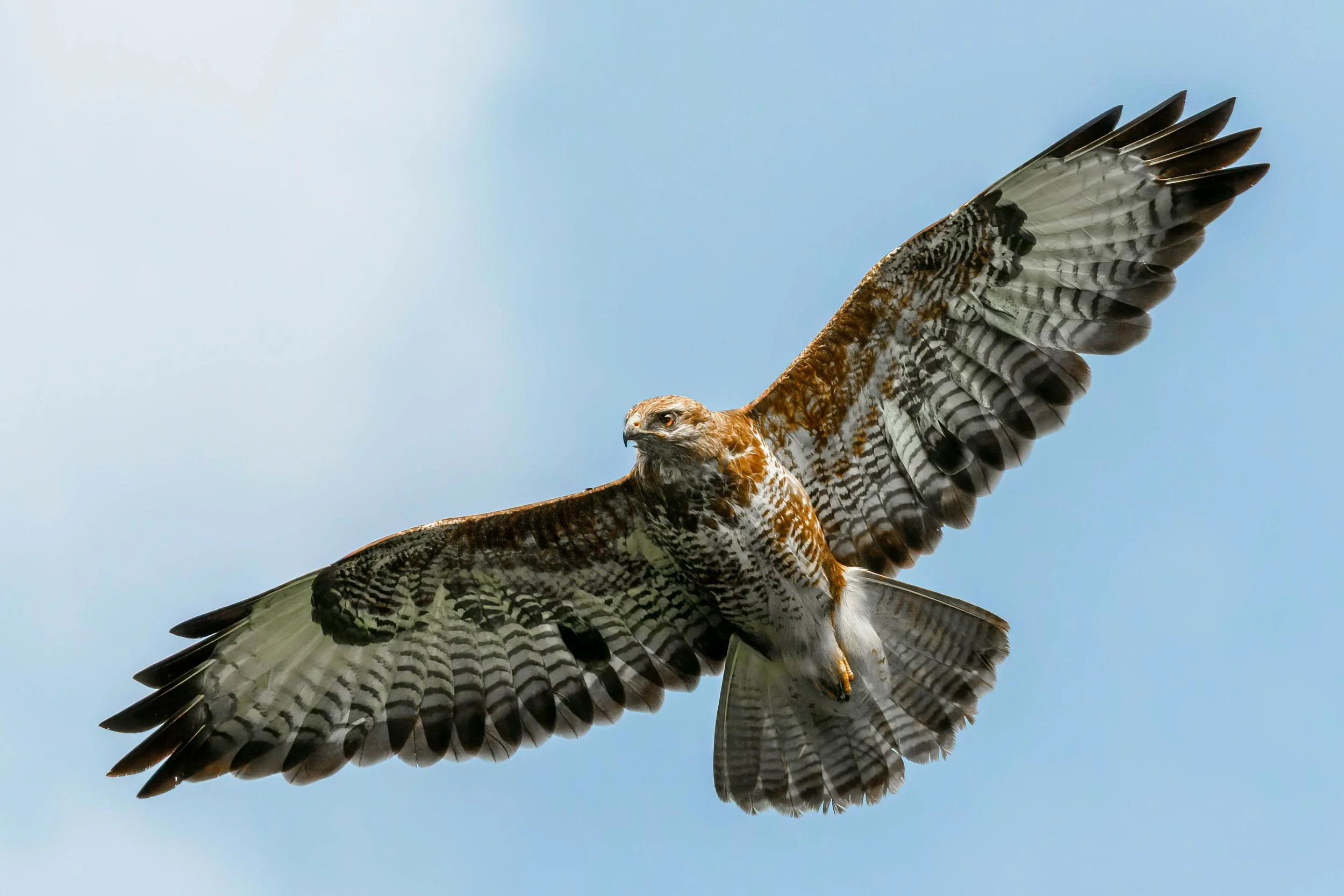
Buzzards’ dappled plumage can be variable, but in soaring flight their shape is unmistakeable. Photo by Radovan Zierik on Pexels.
Your Top 10 Birds:
These are the birds most commonly reported on Encounter, in descending order, in 2025. It’s interesting to compare it to the Top 10 birds recorded in the RSPB’s 2025 Big Garden Birdwatch, which you can find here. In the BGBW, you’re asked to report every bird in your garden, not just the ones that attracted your attention, which may explain why wood pigeons are in the RSPB’s Top 10 and not in ours!
1. Robin
2. Blackbird
3. Blue tit
4. Wren
5. Buzzard
6. Song thrush
7. Goldfinch
8. Chiffchaff
9. Great tit
10. Swallow
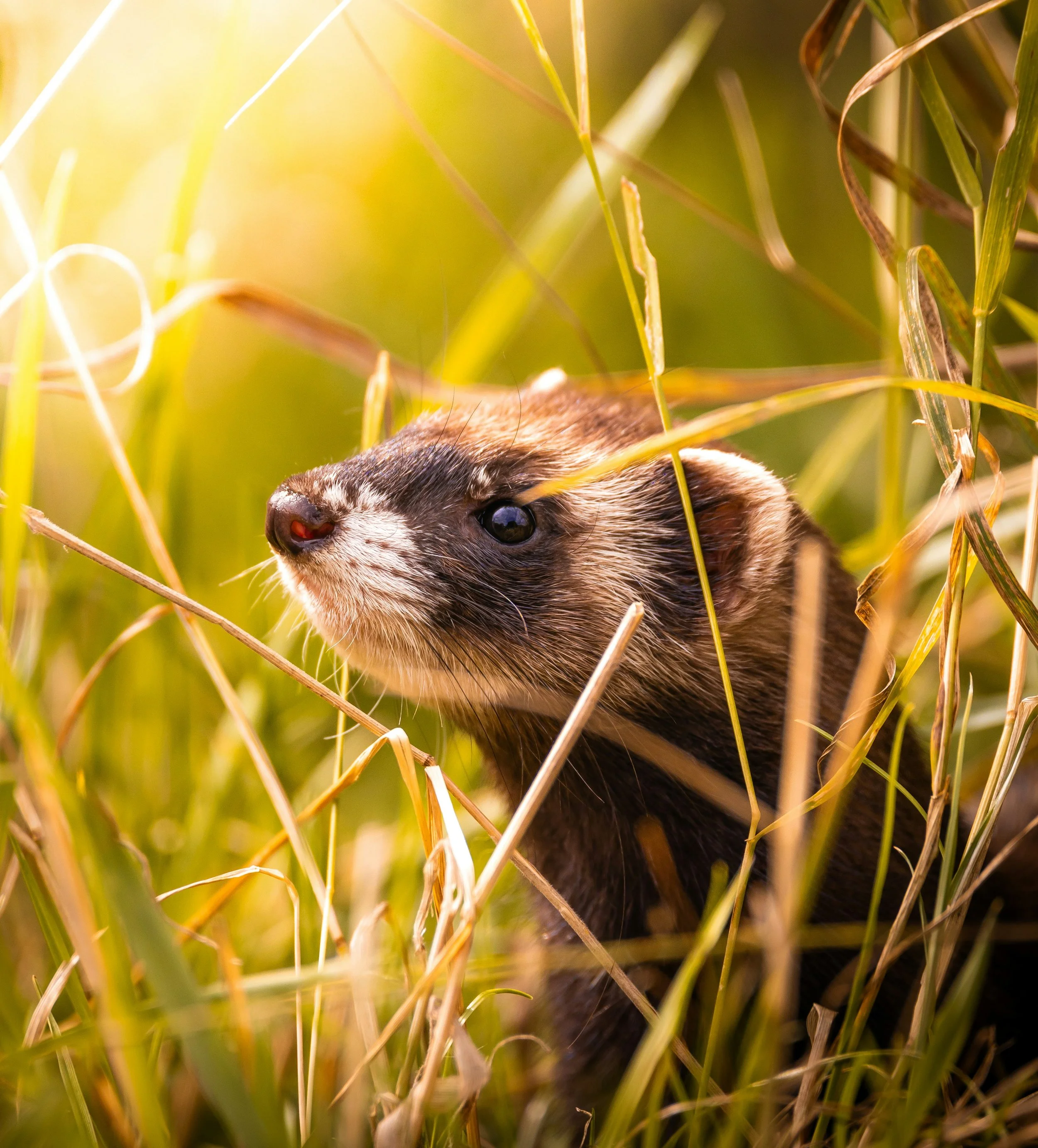
Many wild polecats in Britain are ferret hybrids, but it can be extremely hard to tell. Image by Joshua Doorly on Unsplash.
Species that were tagged in Encounter just once in 2025:
At the other end of the rarity scale, these species were only tagged once in the app this year – and it’s a fascinating list. It was a good year for visiting hoopoe, and they’re a highly recognisable bird, so we’d have expected more of them to be spotted than just one. On the other hand, it’s amazing to have even a single record for the large tortoiseshell butterfly, which became extinct in the 1960s but is slowly re-establishing on the Dorset coast:
Capercaillie
Corncrake
Glossy ibis
Hoopoe
Sabine’s gull
Wood warbler
Great grey shrike
Great crested newt
Natterjack toad
Heath fritillary
Large tortoiseshell
Brown hairstreak
Chequered skipper
Stag beetle
Great green bush cricket
Polecat
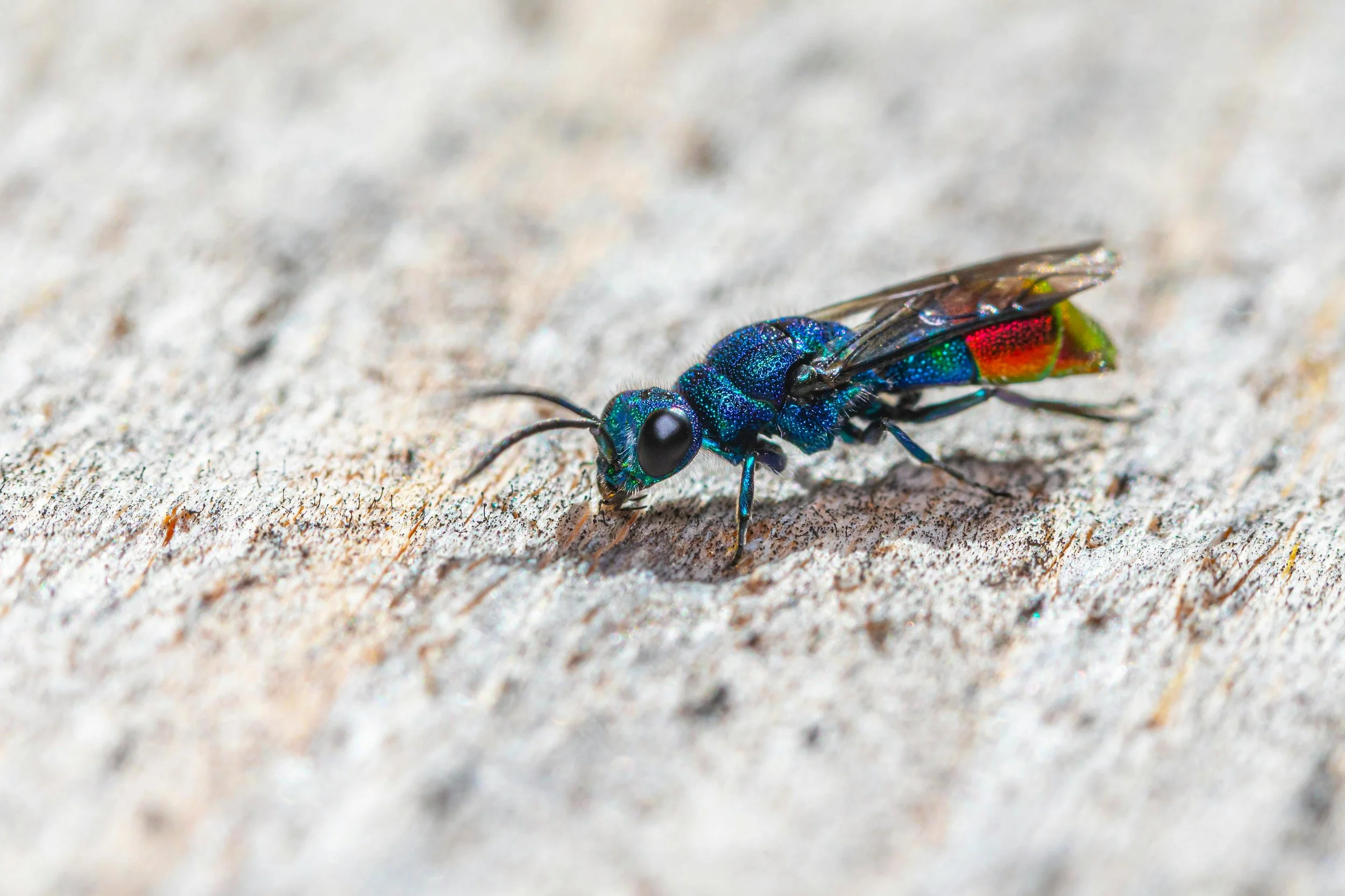
The beautiful ruby-tailed wasp. The females lay their eggs in mason bee nests, hence their other name, ‘cuckoo wasp’. image by Erik Karits on Pexels.
Notable species that were recorded more than once:
Of all the many species that were recorded in Encounter more than once across the year, here are some that caught our attention. Did you see or hear any of these? If you think they might be living near you, perhaps you could make a note to keep an eye out for them in 2026, and record your sightings in Encounter:
Seven white-tailed eagles
Two golden eagles
Twelve peregrine falcons
Three hen harriers
Twenty-one marsh harriers
Nine bitterns
Four nightjars
Four hawfinches
Three hazel dormice
Two pine martens
Eight water deer
Three purple emperors
Two glow-worms
Two ruby-tailed wasps
The top 10 wild and naturalised plants recorded most often in 2025:
The plants you noticed most provide a real insight into what’s catching your attention: they’re nearly all very seasonal species whose flowering acts as a marker for the time of year, with only a couple having long or erratic flowering periods. Here they are, in descending order:
1. Bluebell
2. Snowdrop
3. Hawthorn
4. Cow parsley
5. Blackthorn
6. Primrose
7. Dandelion
8. Ramsons (wild garlic)
9. Bramble
10. Red campion
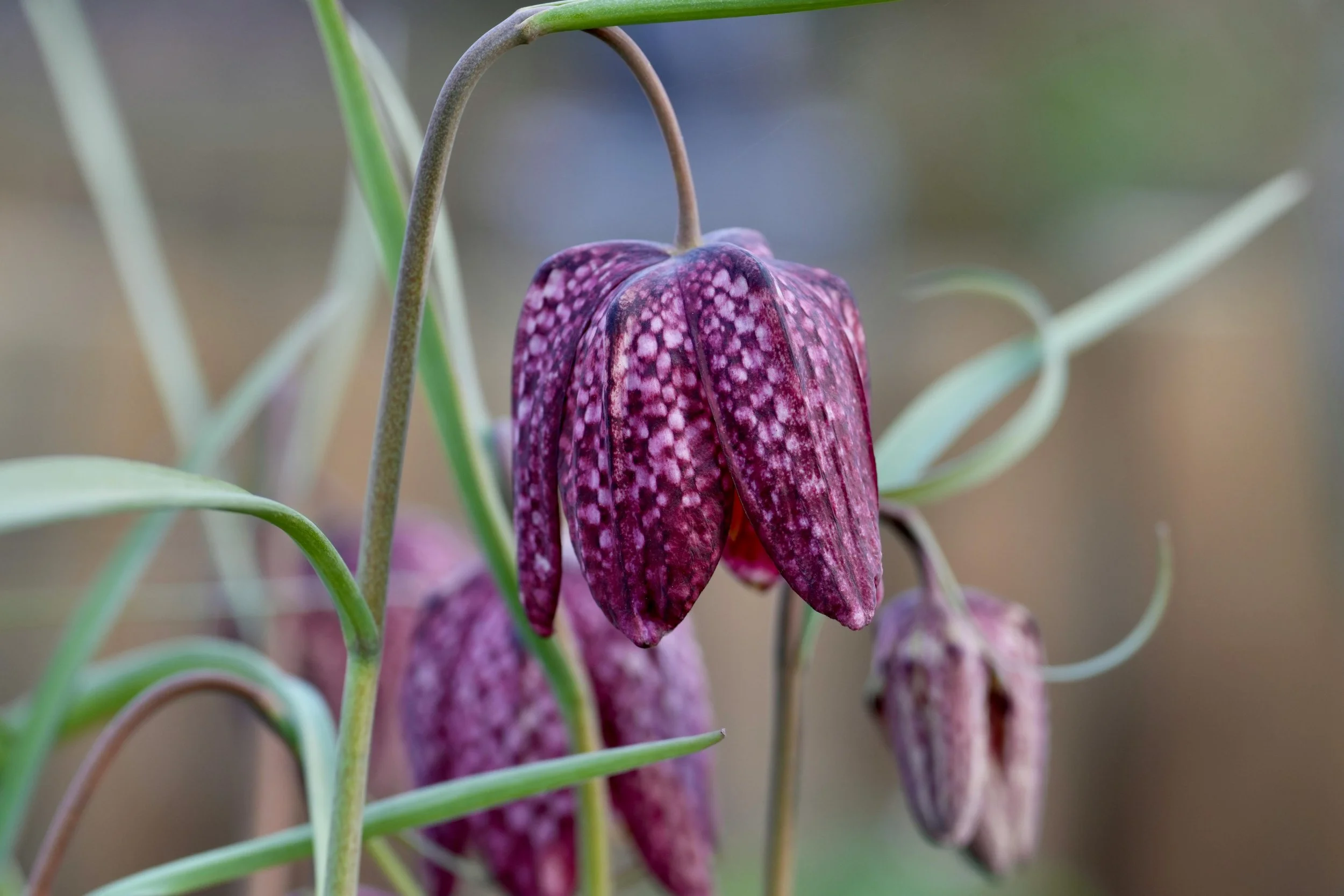
Snake’s head fritillaries were once widespread, but have declined dramatically with the loss of our meadows. Photo by Mariya Muschard on Pexels
Some notable or uncommon plants and trees that were reported more than once:
Black poplar
Snake’s-head fritillary
Wild service tree
Round-leaved sundew
And finally, four rare or endangered plants that were reported just once in 2025:
Lady orchid
Man orchid
Frog orchid
Pasqueflower
Thank you so much for all your species tags, which are of great interest and value. If you’re using Encounter to learn about nature but you haven’t yet written in your private journal, why not make 2026 the year in which you start a gentle new habit? Research shows that it really can be transformative in terms of nature connection – and people who score more highly for nature connectedness enjoy better mental and physical health, greater life satisfaction scores, and take part in more pro-nature behaviours. Give it a try!
With enormous thanks to Inge Cuypers who built the map on which we can see your incoming species tags, and who crunched the numbers to produce this list.