Meet the blackcap
By late March, the first blackcaps to return to the UK for summer will be making their voices heard. Charlie Peverett of Birdsong Academy is here to help you tune in
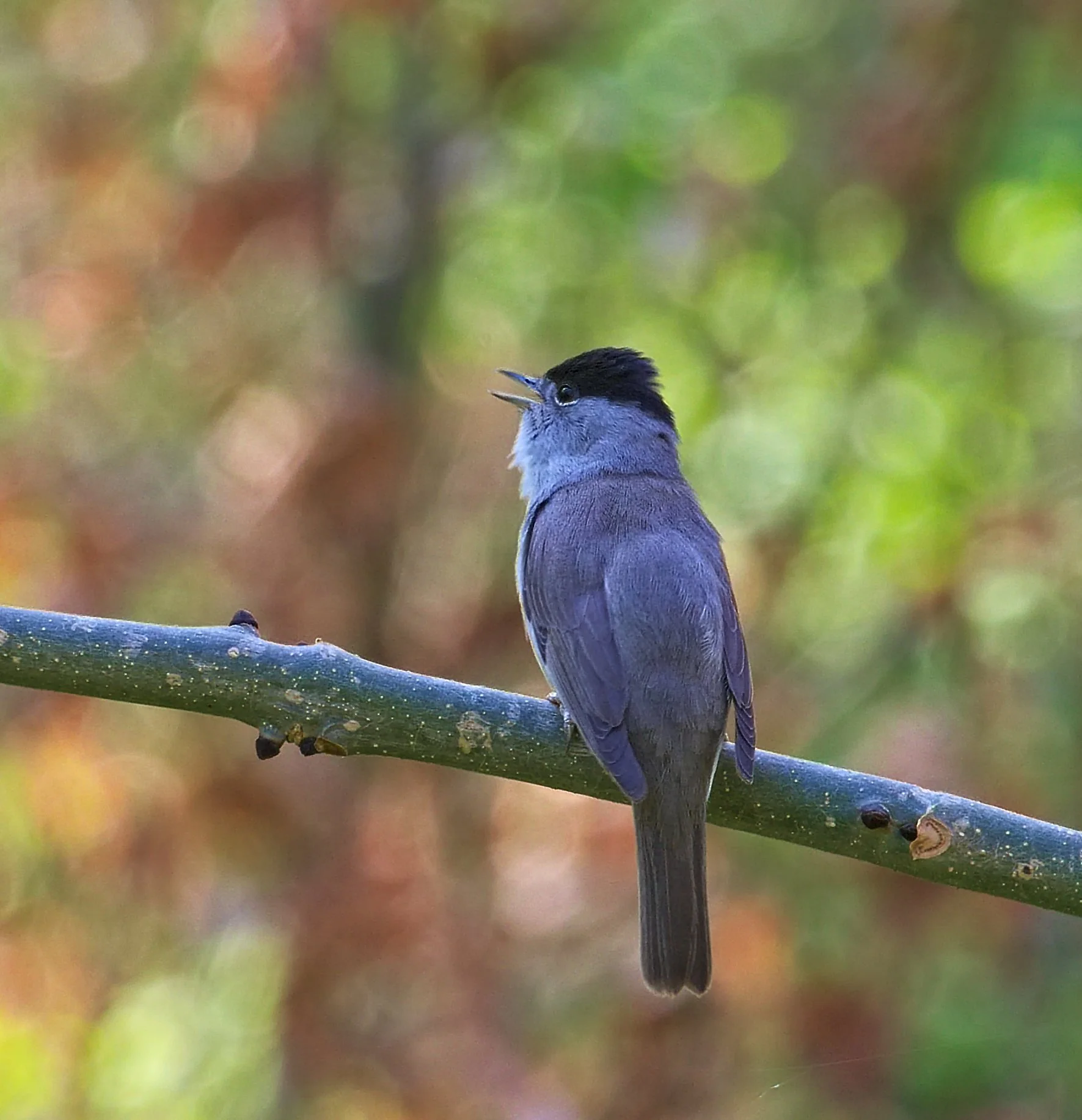
Male blackcap. Image by Andreas Eichler
Blackcaps pour out their song as if each time could be the last. It’s a rapid, rushing warble – once warmed up, it lifts into fluent passages of clear, fluty notes. Something like a blackbird played at double-speed. You can listen to one singing here.
They’re among our earliest returning summer birds. Many spend the winter in southern Europe, and have relatively short migrations back to our shores. Yet, as with the somewhat simpler sound of the Chiffchaff, it’s not always easy to tell whether we’re really listening to our ‘first summer bird’.
Over recent decades, more and more blackcaps have taken to wintering in the UK. They are now a staple feature of the Big Garden Birdwatch at the end of January, as they plunder fat balls and peanut feeders. The ready supply of food in gardens, and our ever-milder winter temperatures, appear to be the key factors.
Ever so clever, you would think, to find a way to avoid an unnecessary journey – but that’s not quite the whole story. It turns out that our winter Blackcaps are themselves migrants, arriving here from continental Europe.
It’s been known for a while that these include birds from Germany and eastern Europe, but a recent study suggests that most are from France, and some from Spain – a rare case of birds moving north for the winter.
The winter and summer populations are, it seems, quite separate. And in warmer days in February and early March, some of the winter birds may sing a little, before heading back to the continent to breed.
Whatever the provenance, the blackcap is a welcome virtuoso in our woodlands, parks and gardens, at a time when complex song is much diminished.
The dawn chorus has been thinning for decades, in volume but also in diversity. We’ve lost so many nightingales, chaffinches, willow warblers and other formerly familiar birds – many of the species with the most wonderful songs.
The blackcap bucks the trend, having expanded its range to reach across Ireland and almost all Scotland in recent decades, and swelling in numbers in the south. Some two million pairs now spend each summer in the UK, bringing their rich repertoire into many more neighbourhoods, all the way through the spring until July.
Charlie Peverett is the founder of Birdsong Academy. For more birdsong ID tips, follow Shriek of the Week on Substack, or join Charlie for a birdsong walk in Sussex or London.